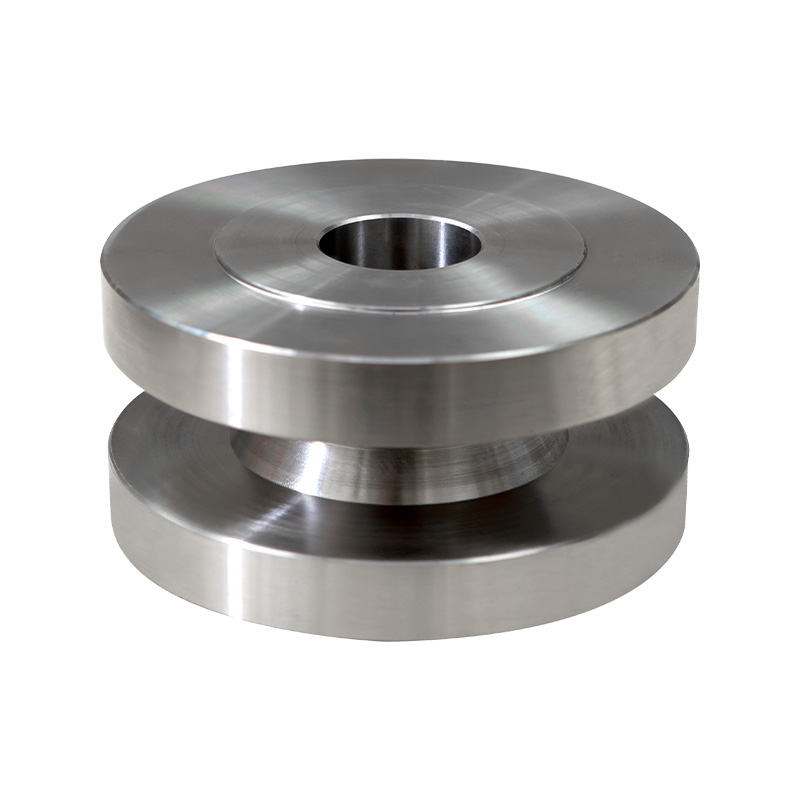


Get Free Quote


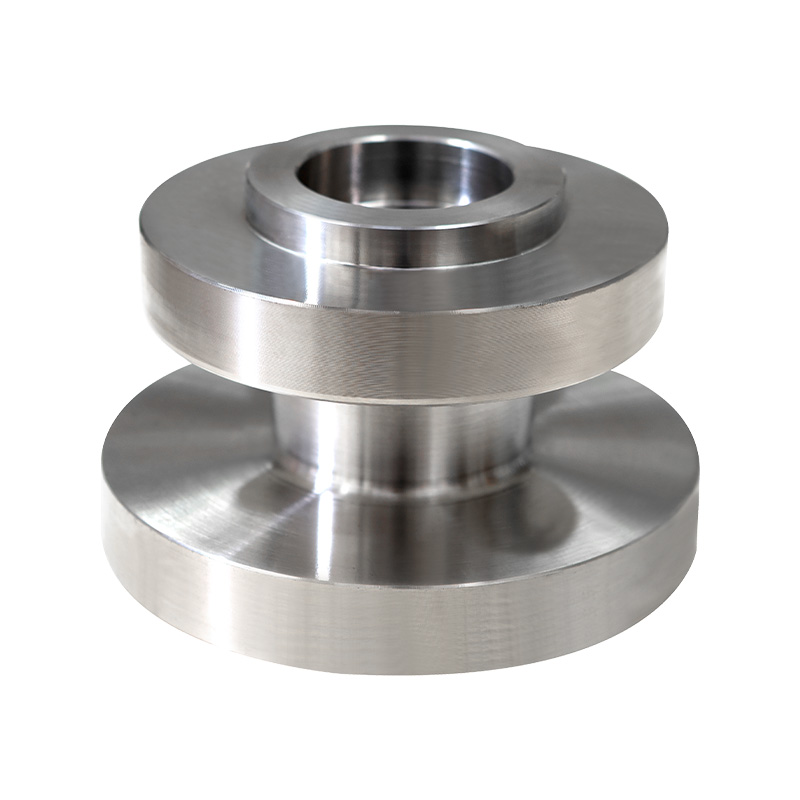
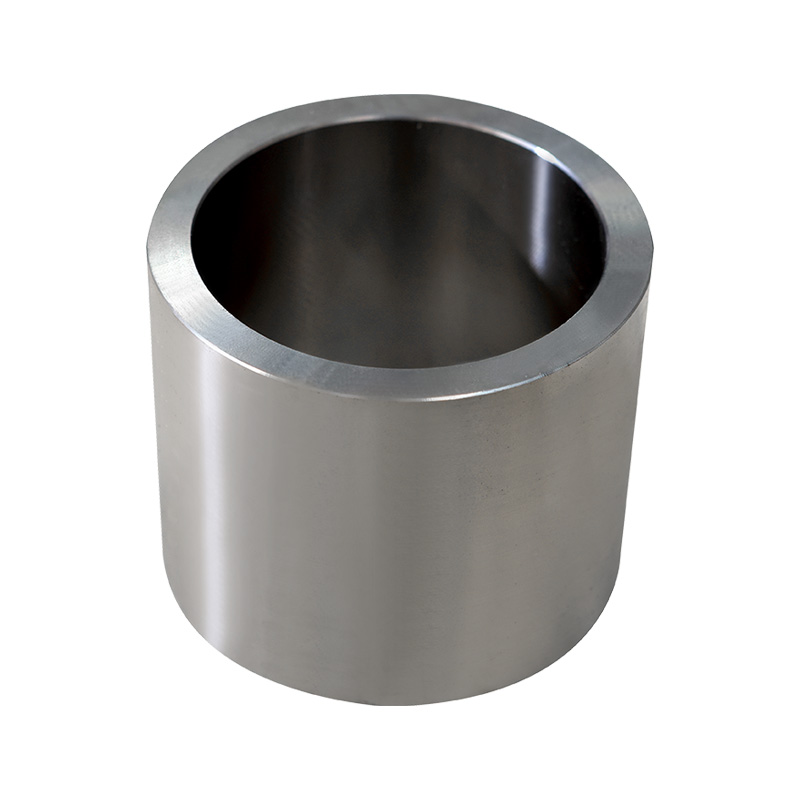
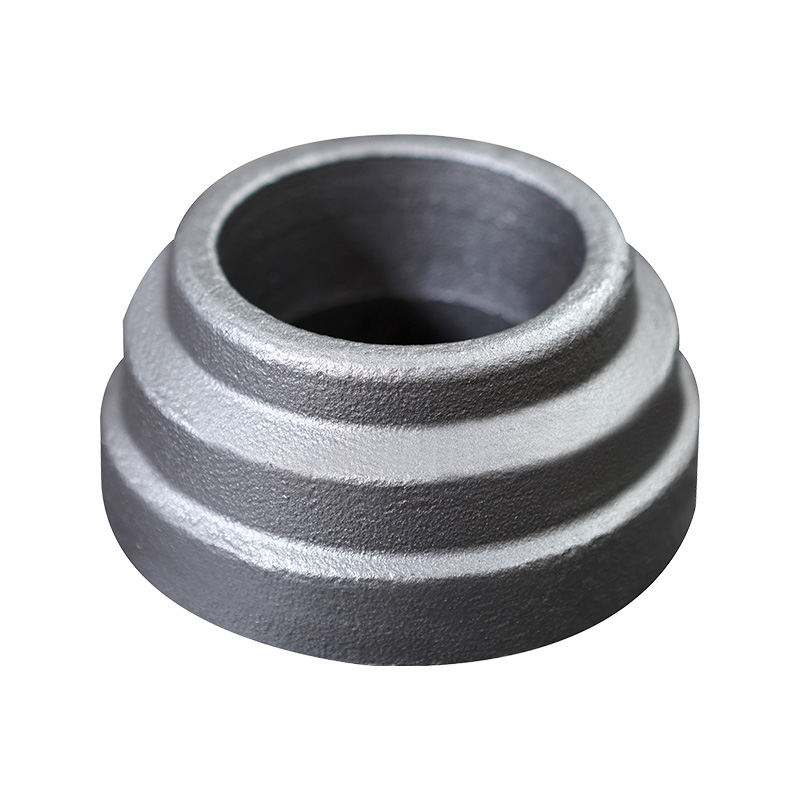
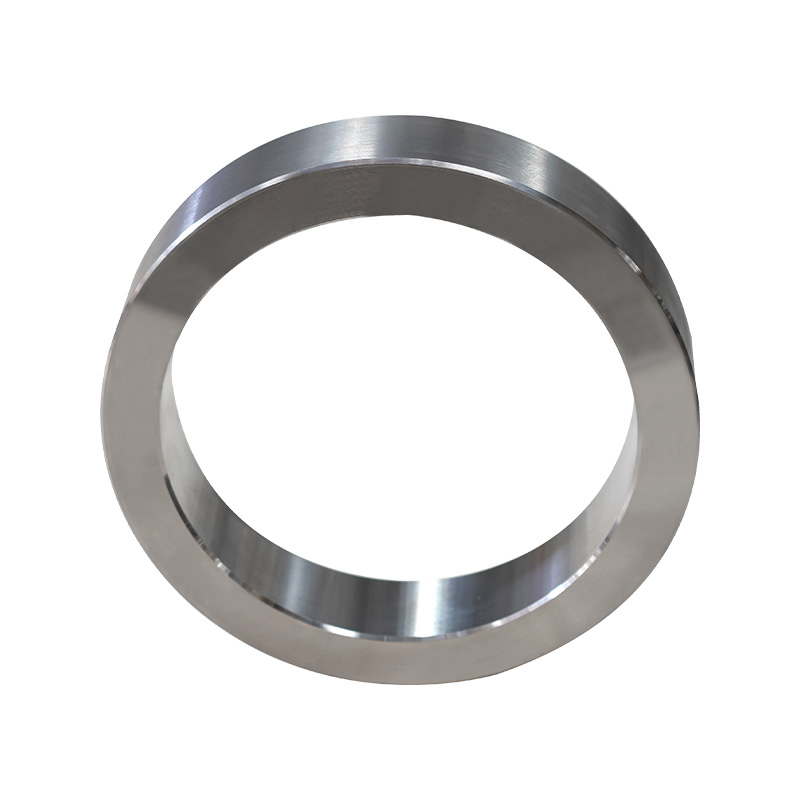
Our valve forgings cover a wide range of valve types, including ball valves, butterfly valves, globe valves,plug valves and check valve...
We provide a range of high-quality material options, including carbon steel, stainless steel, and alloy steel. Due to their different properties, these materials are widely used in the manufacture of various industrial valves.
We are committed to providing customers with customized solutions, whether it is standard-size forgings or special customized parts, we can provide a one-stop service. Our forging products are strictly quality controlled and tested to ensure that each forging can meet the customer's precise specifications, as well as reliability and durability in various harsh environments.
How Strong Is Carbon Steel — The Direct Answer Carbon steel is one of the strongest and most widely used engineering materials in the world. Its tens...
View MoreWhat Steel Forging Actually Is — and How It Works Steel forging is the process of shaping steel by applying compressive force — either through hammer...
View MoreWhat Case Hardening Actually Does to Steel Case hardening is a heat treatment process that hardens the outer surface of a steel part while keeping th...
View MoreAlloy steel is significantly stronger than plain carbon steel. Depending on the grade and heat treatment condition, alloy steel tensile strength rang...
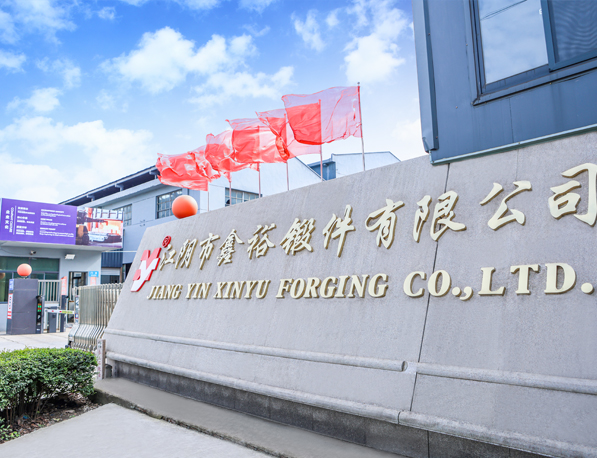
View MoreIn the field of fluid control and pressure vessels, the density and mechanical reliability of forgings are crucial for ensuring the safe operation of systems. As a high-end metal processing technology, valve forgings and their parts forgings withstand extremely high physical stresses and corrosion. Jiangyin Xinyu Forging Co., Ltd., with its profound manufacturing experience, has long been committed to providing high-performance customized forging solutions for global energy and industrial pipeline networks.
Core Technological Advantages of Valve Forging Process
Optimization of Fiber Structure Flow Lines
Compared to castings, valve bodies processed through die forging or free forging have refined internal metal grains, and the deformation process results in a continuous distribution of metal fibers along the part's shape. This change in physical properties significantly improves the valve body's fatigue strength under high-pressure impact.
Material Density and Safety
The immense pressure during forging eliminates micropores and porosity within the material. For critical pressure-bearing partss such as shut-off valves and regulating valves, this high-density structure is the fundamental guarantee against media penetration and shell fracture.
Stability of Heat Treatment Conditions
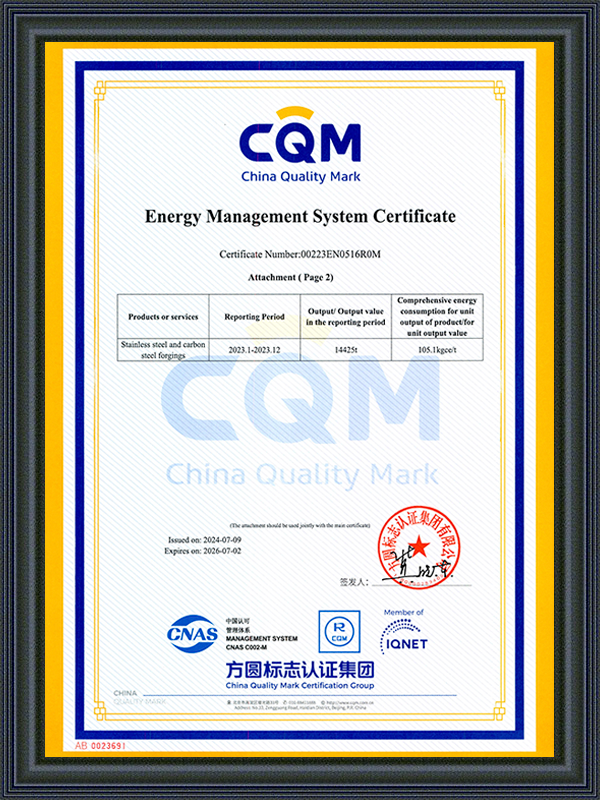
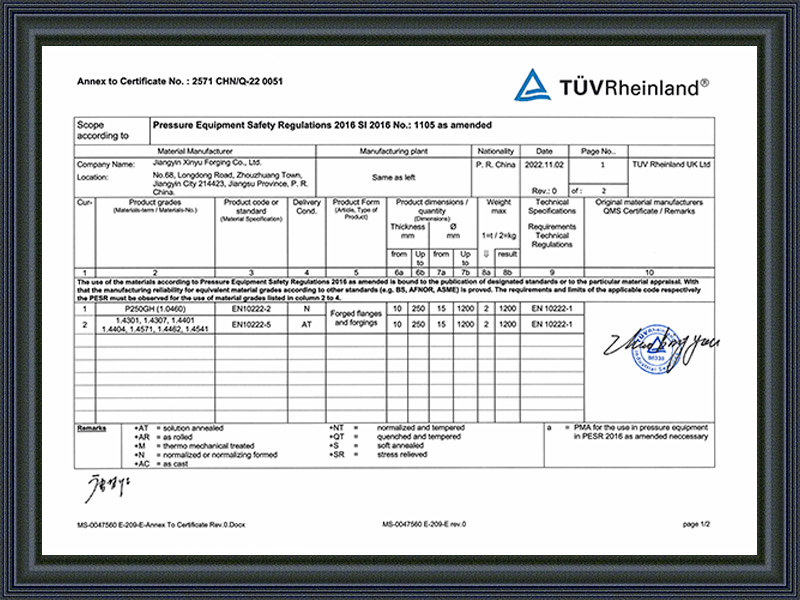
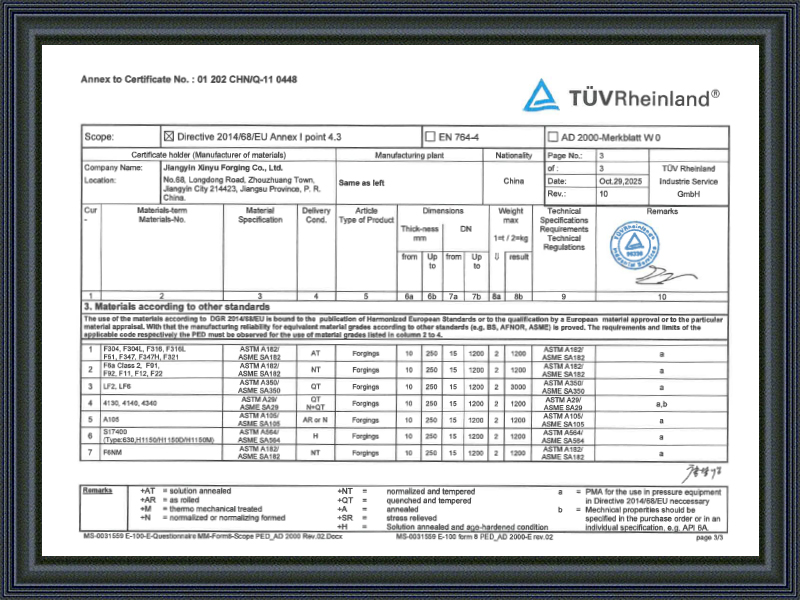
Valve parts forgings typically undergo rigorous normalizing, tempering, or solution treatment after forging. Jiangyin Xinyu Forging Co., Ltd.'s precise control over these processes ensures that its products retain excellent impact toughness even in extremely cold or high-temperature environments.
Classification and Functional Logic of Valve parts Forging
In the complex valve structure, forgings in different parts play differentiated functional roles:
| Parts Name | Forging Critical Focus | Primary Functional Requirements |
| Valve Body | Integrity of flow channels & uniformity of wall thickness. | Pressure containment, erosion resistance, and structural piping connection. |
| Valve Bonnet | Reinforcement of bolt hole regions & grain flow optimization. | Sealing of the packing box and withstanding heavy fastening stresses. |
| Valve Stem | Axial fiber flow lines & precise surface hardness control. | Torque transmission, high wear resistance, and superior torsional strength. |
| Sealing Ring | Microscopic homogeneity of the forged structure. | Ensuring zero-leakage performance under extreme high-pressure differentials. |
| Flange End | Grain refinement of the sealing face & transition zone. | Stability of mechanical connections and high tensile load resistance. |
Special Requirements of Industrial Fluid Environments for Forgings
Jiangyin Xinyu Forging Co., Ltd., in serving customers in different regions worldwide, has summarized the following key technical points for diverse service environments:
Corrosion Resistance Matching: In marine oil or chemical industries, valve forgings require precise composition ratios based on the medium's composition (e.g., hydrogen sulfide, chloride ions). A combination of pre-forging and precision forging reduces surface segregation.
Precision Dimensional Control: Although forging is a hot working process, modern processes, through precision die control, can significantly reduce subsequent machining allowances. This not only saves material but also protects the forged "metal skin" from excessive cutting.
High-Temperature Creep Strength: In power plant steam systems, valve partss must maintain dimensional stability under long-term high temperatures. Specific thermomechanical treatments can strengthen grain boundaries and extend the service life of parts.
Frequently Asked Questions (FAQ)
Q: Why must valves be forged rather than cast in critical operating conditions?
A: Castings are prone to hidden defects such as shrinkage cavities and sand holes, posing significant safety hazards in high-pressure or flammable and explosive media. Forgings, through pressure deformation, remove internal defects and enhance mechanical properties, making them the preferred choice for high reliability requirements.
Q: What dimensions are typically considered in the quality inspection of valve parts forgings?
A: In addition to basic geometric dimensions, the focus is on ultrasonic testing (detecting internal damage), magnetic particle testing (detecting surface cracks), and metallographic analysis (assessing grain size and microstructure).
Q: How do Jiangyin Xinyu Forging Co., Ltd.'s products adapt to different global technical standards?
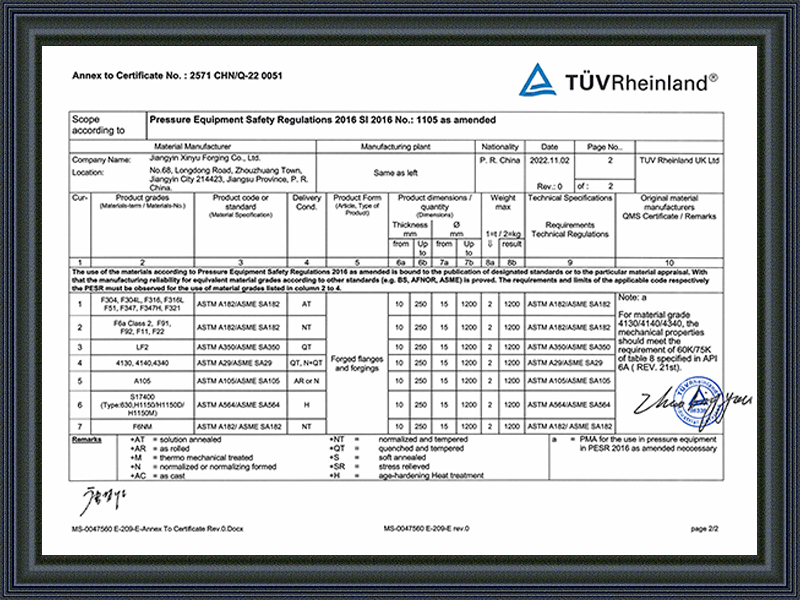
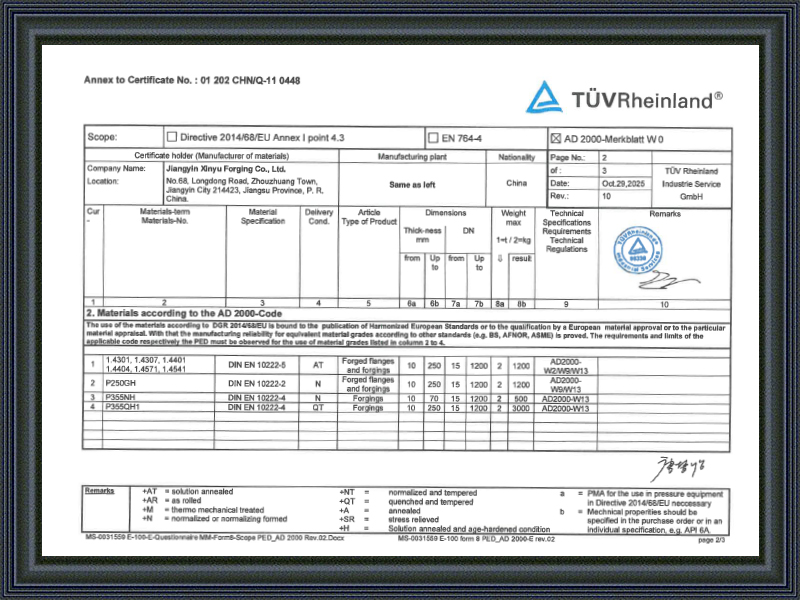
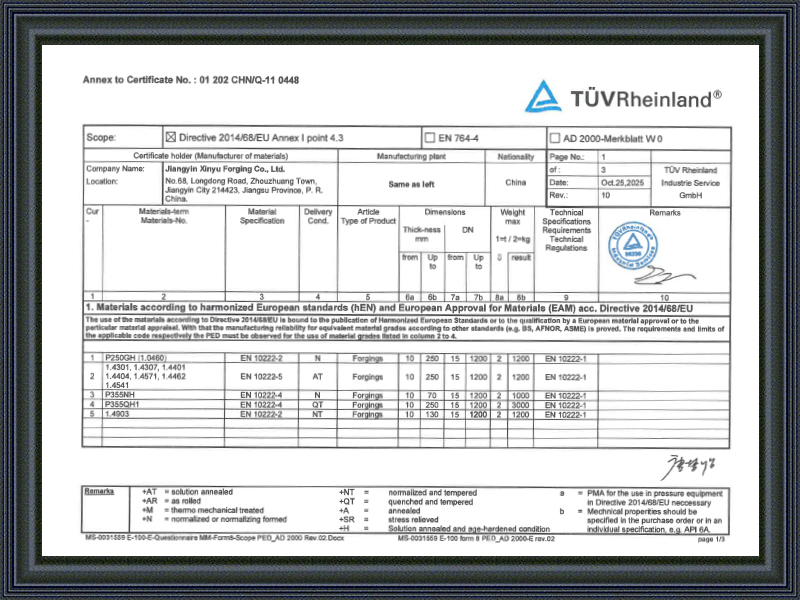
A: The company has a deep understanding of mainstream international material standards and pressure rating specifications. We can tailor our approach to the specific engineering requirements of our clients' regions, matching raw material selection, forging ratio control, and performance testing to ensure high product compatibility in global markets such as Asia, North America, and Europe.
Q: What impact does the forging ratio have on the quality of valve forgings?
A: An appropriate forging ratio ensures sufficient metal deformation, allowing the as-cast structure to completely transform into a forged structure. If the forging ratio is insufficient, the original structure may remain in the core, affecting the overall pressure-bearing capacity.

Tel: +86-13915203580 / +86-18861681298

E-mail: info@xinyuforging.com

Add: 68# Longdong RD, Zhouzhuang Town, Jiangyin, China.
Copyright © by Jiangyin Xinyu Forging Co., Ltd. Rights Reserved. Custom Valve Parts Forgings Manufacturer

 英语
英语 德语
德语 阿拉伯语
阿拉伯语